
Segmenting NBA Rotations for 12-Minute Profit Windows
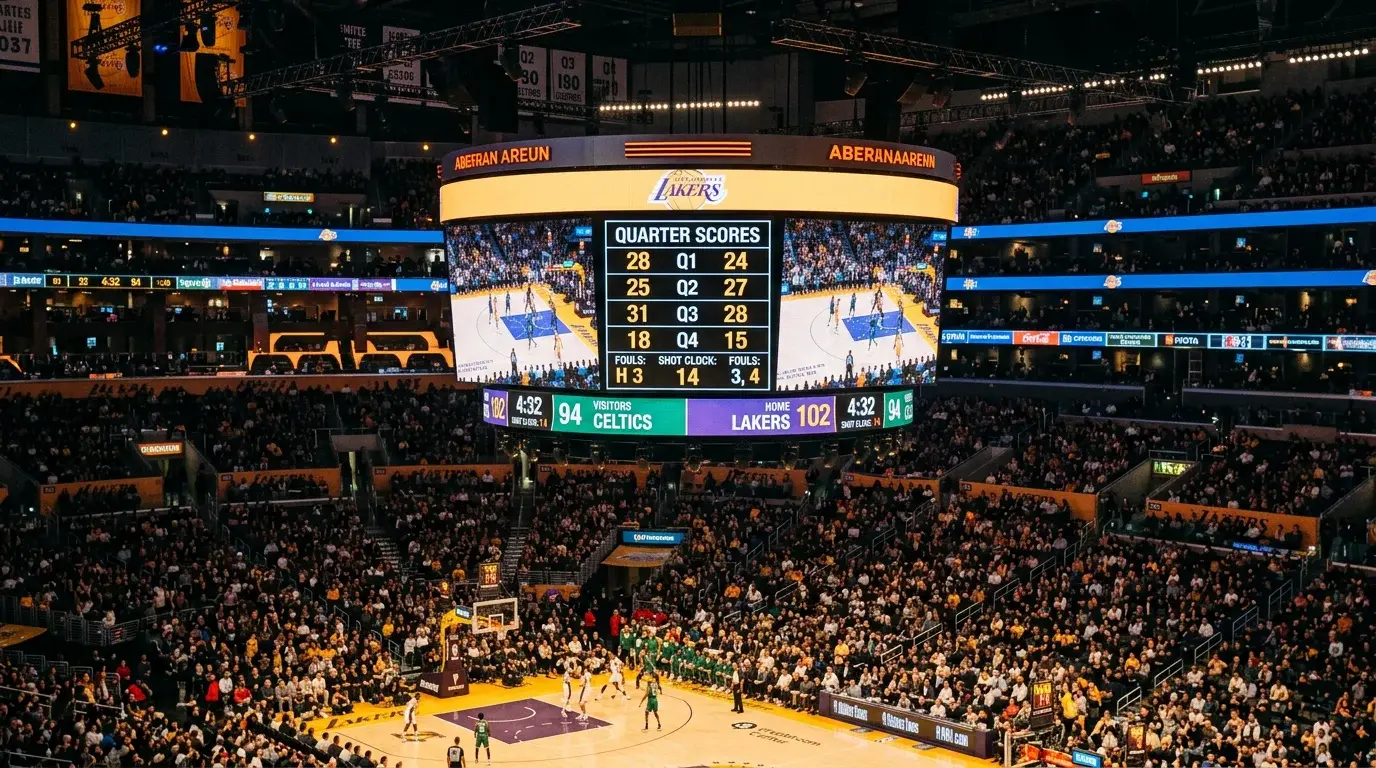
Full-game NBA bets span 48 minutes of chaos — rotations shift, coaches adjust, foul trouble reshuffles lineups, and a single overtime period can flip every market on its head. Quarter bets strip all of that away. You are betting on a twelve-minute window where the variables are fewer, the lineup combinations are more predictable, and coaching adjustments have not yet kicked in. That compression is exactly why I gravitated toward quarter markets three seasons ago and never fully left.
The online segment accounts for 78.5% of UK sports betting revenue, and quarter markets represent a growing slice of the NBA offering at major bookmakers. Where once you could only bet on full-game outcomes, most operators now list spreads and totals for every quarter and half, plus first-quarter moneylines. The expansion of these markets has created opportunities that did not exist five years ago, because bookmakers have less historical data and fewer sharp models for period-specific pricing than they do for full-game lines.
First-Quarter Betting: Starters, Pace, and Early Shooting
First-quarter markets are my favourite period bet because they depend almost entirely on starting-lineup performance. Both teams open with their best five players, rotations are minimal, and the tactical picture is its simplest. If you can project how two starting lineups will interact for twelve minutes, you have the core inputs for a first-quarter bet.
Pace drives first-quarter totals more than any other variable. Teams that start fast — pushing the ball in transition, running early offence, and generating quick shots — produce high first-quarter scoring regardless of their full-game pace. Some coaches deliberately push tempo early to establish rhythm before settling into a slower half-court game. Others conserve energy early and build intensity through the game. These coaching tendencies are consistent and trackable.
First-quarter spreads follow a different logic than full-game spreads. A team that is a 7-point full-game favourite is not necessarily a 1.75-point first-quarter favourite. The first quarter is more volatile because the sample of possessions is smaller, and a single hot-shooting stretch can swing the quarter by ten points. I look for teams with strong starting lineups relative to their overall roster depth — a team whose starters outperform their bench by a wide margin will be more dominant in the first quarter than in later periods when rotations deepen.
Second and Third Quarter Markets: The Rotation Factor
Second-quarter betting is where rotation management becomes the dominant variable. Starters typically sit for three to five minutes in the second quarter, and bench units face each other in lineups that produce less predictable scoring patterns. Teams with deep benches — nine or ten quality players — maintain offensive output through the second quarter. Teams reliant on a six-man rotation see scoring dip.
The third quarter is historically the most volatile period in NBA games. Teams come out of halftime with adjusted game plans, defensive schemes shift, and the pace often changes dramatically from the first half. I have seen more double-digit third-quarter scoring runs than in any other period, and that volatility makes third-quarter spreads difficult to predict consistently. The average NBA salary of $10.54 million means teams can afford deep rotations, but third-quarter adjustments depend on coaching quality more than roster depth.
My approach to second and third quarter betting is more selective than my first-quarter strategy. I only bet these periods when I identify a specific matchup advantage that the market has not priced — a dominant bench unit facing a weak opposing bench in the second quarter, or a coaching mismatch in the third where one team consistently outperforms after halftime adjustments. Without that specific edge, the variance in middle quarters makes the maths unfavourable.
First-Half Betting: The Cleanest 24-Minute Window
First-half markets occupy a sweet spot between the compressed volatility of quarter bets and the extended chaos of full-game bets. Twenty-four minutes gives you enough possessions for talent to emerge through variance, but not so many that second-half coaching adjustments, fatigue, and late-game situations distort the result.
I use first-half totals more than any other period market. The first half captures the natural pace matchup before coaches intervene at halftime, and scoring patterns in the first half correlate more strongly with pre-game pace projections than full-game scoring does. If two high-pace teams meet, the first-half over is often a stronger play than the full-game over, because the second half introduces tactical adjustments that can suppress the pace you are betting on.
First-half spreads offer another advantage: they settle before overtime becomes a factor. If you have a strong view on a game outcome but want to avoid the risk of overtime affecting your bet, the first-half spread lets you express that view with a cleaner settlement. The trade-off is a smaller number of possessions, which means more variance per bet. Over a season-long sample, I find first-half spreads roughly as profitable as full-game spreads, but with higher individual-bet variance.
Combining Quarter Bets with Full-Game Analysis
Quarter bets should not exist in isolation. They are extensions of your full-game research, targeted at specific windows where your analysis has the strongest predictive power.
If your pre-game analysis projects a high-scoring game driven by two up-tempo starting lineups, the first-quarter total over may be a higher-conviction play than the full-game over. If your analysis projects a coaching mismatch that will emerge through halftime adjustments, a third-quarter or second-half spread may capture that edge more precisely than a full-game spread. The idea is not to replace full-game betting with quarter betting, but to add quarter markets as precision instruments for expressing views that full-game lines dilute.
The practical limit is volume. With four quarter markets and two half markets per game, plus full-game lines, you could place eight or more bets on a single NBA game. That is too many. I cap myself at two period bets per game and ensure they do not overlap logically — a first-quarter over and a full-game over are essentially the same thesis at different scales, and placing both doubles your exposure without doubling your edge. Pick the window where your conviction is strongest and let the rest go.