
Market-by-Market Breakdown: OT Included vs Regulation Only
The 2025-26 season drew 170 million viewers across US broadcast and streaming platforms alone. For every one of those nationally televised games, UK bookmakers offered dozens of markets — and the overtime rules vary across them. Here is the definitive breakdown.
Moneyline bets include overtime. The question is simply who wins the game, and an NBA game does not end until a winner is determined. If it takes one overtime or four, the moneyline settles on the final result. This is universal across UK-licensed bookmakers.
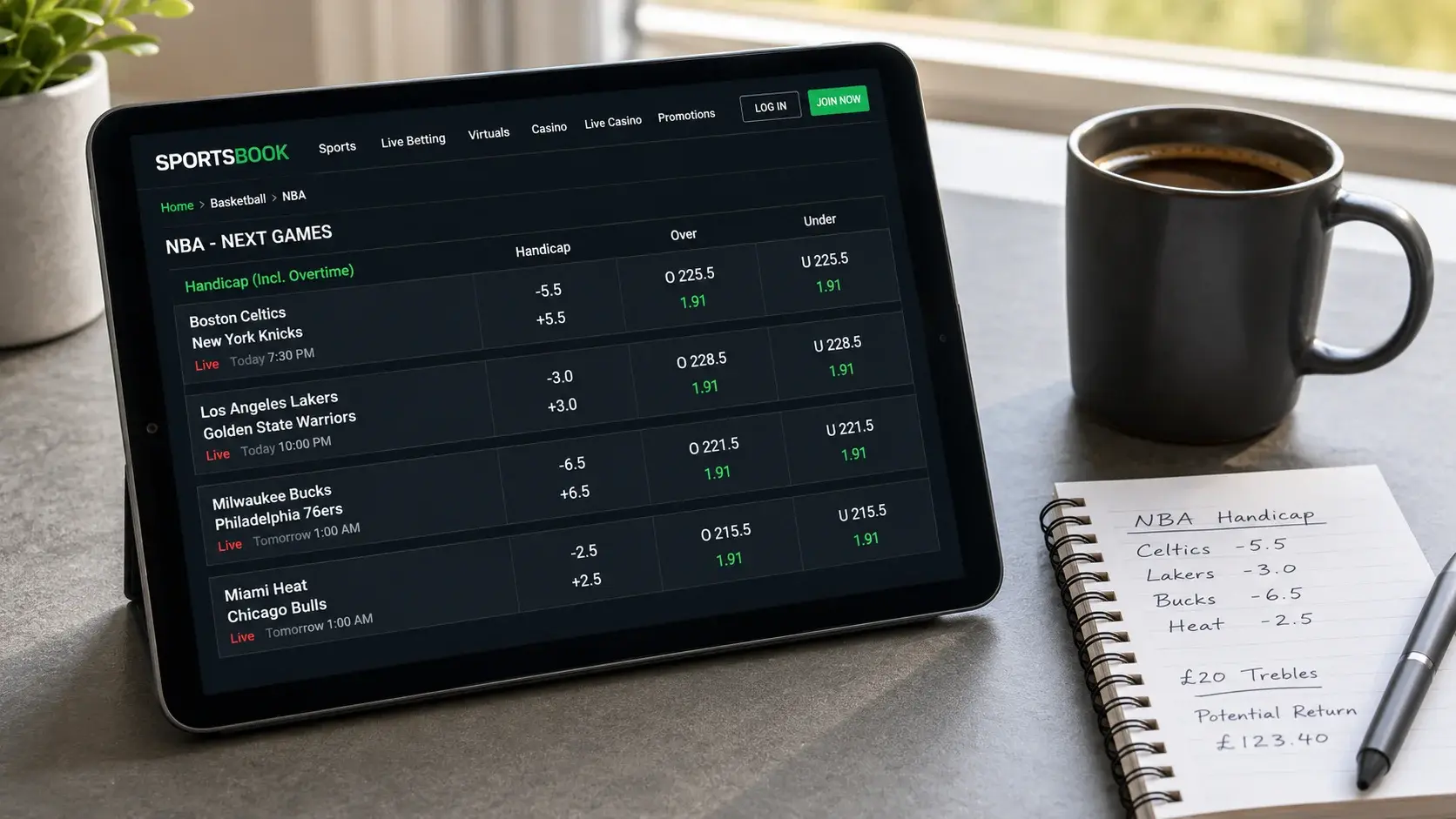
Spread bets include overtime. The final margin of victory, calculated after all overtime periods, determines whether the spread is covered. This is the scenario I described above — a team that leads by two at the end of regulation but wins by twelve after overtime covers a much wider spread than the regulation score suggested.
Over/under totals include overtime. All points scored in overtime are added to the combined total. This is critical because overtime adds five minutes of high-intensity play to a game, typically producing 8-15 additional points. A game that sat comfortably under at the end of regulation can easily flip to an over result after five minutes of extra time. I have lost under bets I thought were locked because of overtime scoring, and it is one of the most frustrating experiences in NBA betting.
Player props include overtime — with one important exception. Standard player prop markets (points, rebounds, assists) include overtime performance. A player who scores 18 points in regulation and adds 6 in overtime finishes with 24, which matters if you backed over 22.5 points. The exception is when a bookmaker specifically labels a prop as “regulation time only,” which some operators offer as a separate market.
Quarter and half bets do not include overtime. A first-quarter bet settles on the score at the end of the first twelve minutes. A first-half bet settles at halftime. A fourth-quarter bet settles on scoring within the fourth quarter only — overtime points are not added. This distinction is absolute and applies at every UK bookmaker I have used.
Quarter and Half Bets: Always Regulation Time
The regulation-only rule for quarter and half bets creates an interesting dynamic. If you bet the fourth-quarter spread or total, overtime does not touch your result. The fourth quarter ends after twelve minutes, and your bet is settled on that twelve-minute window regardless of what happens next.
This means fourth-quarter bets carry a hidden variable: the possibility that the game approaches overtime. When teams are tied late in the fourth, the pace changes dramatically. Coaches manage possessions more carefully, players attack the basket for fouls rather than settling for jump shots, and the shot clock becomes a factor on every possession. These tactical shifts affect fourth-quarter scoring patterns in ways that do not apply to the first three quarters.
I have found that fourth-quarter unders hit at a slightly higher rate in games between evenly matched teams, precisely because of this late-game slowdown. Both teams play more cautiously, possessions lengthen, and intentional fouling — while it produces free throws — often replaces the higher-value three-point shooting that drives scoring in earlier quarters. This is a live betting angle I use regularly: when a game is within three points midway through the fourth, the under on the remaining quarter total often carries value because the pace is about to compress.
Live Betting When a Game Heads to Overtime
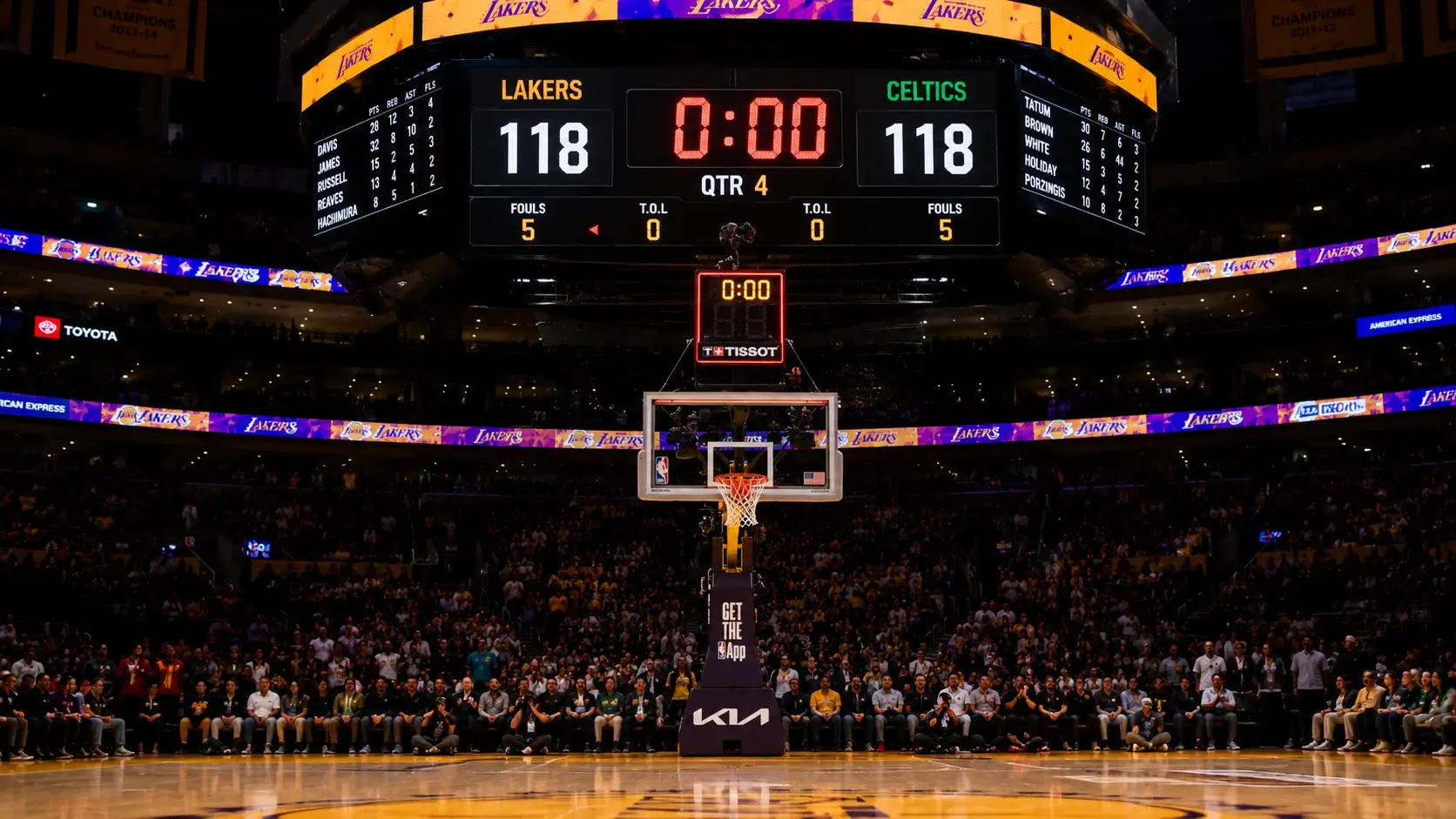
The transition from regulation to overtime is one of the most dynamic live betting windows in all of sport. Bookmakers must reprice every market in seconds as the game clock resets, and the adjustments are not always efficient.
Moneyline odds shift dramatically at the start of overtime. A team that was trailing by three at the end of regulation — and priced at 3.50 on the moneyline — suddenly finds themselves on level terms. The live moneyline may reprice to something near 2.00-2.10, depending on home-court advantage and which players are carrying foul trouble. If your pre-game analysis favoured a team that got into overtime through bad luck rather than bad play, the live moneyline at the start of OT can offer genuine value.
Totals markets are where overtime creates the most confusion. The game total has already accumulated 48 minutes of scoring, and now five more minutes are added. If the pre-match total was 224.5 and the combined regulation score is 220, you might think the under is safe. But ten more points in overtime pushes the total to 230, and your under is dead. Experienced NBA bettors account for overtime probability when the game is close in the fourth — a 2% chance of overtime might seem small, but its impact on expected total scoring is disproportionately large.
My rule of thumb: when a game enters overtime, I step back from totals and focus on live moneyline and spread markets where the overtime reset gives me a cleaner analytical window. The additional scoring variance in overtime makes totals a guessing game, but the moneyline question — who wins from here — is often answerable based on foul trouble, momentum, and lineup depth.