

Securing Statistical Edges in NBA Prop Betting
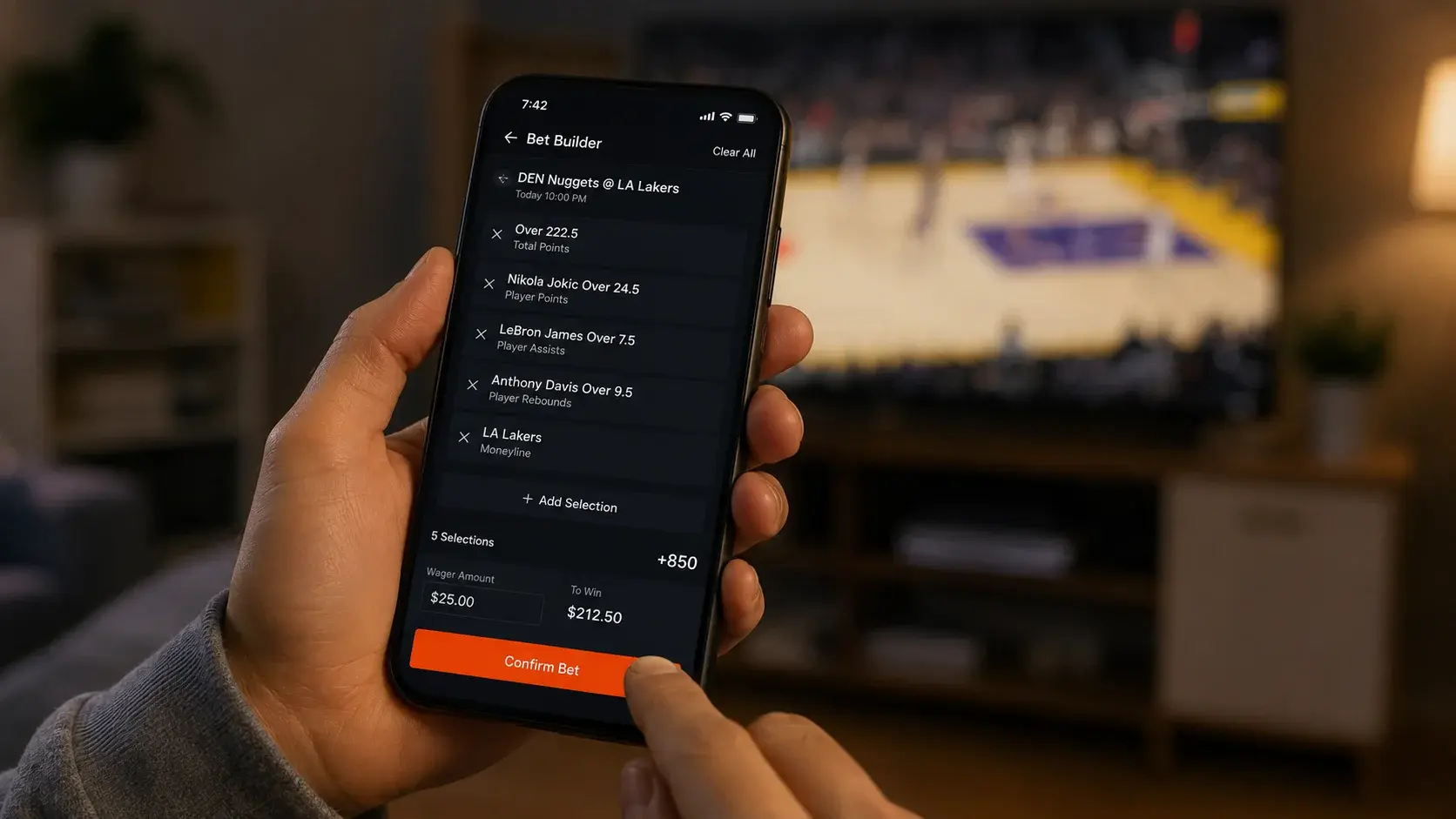
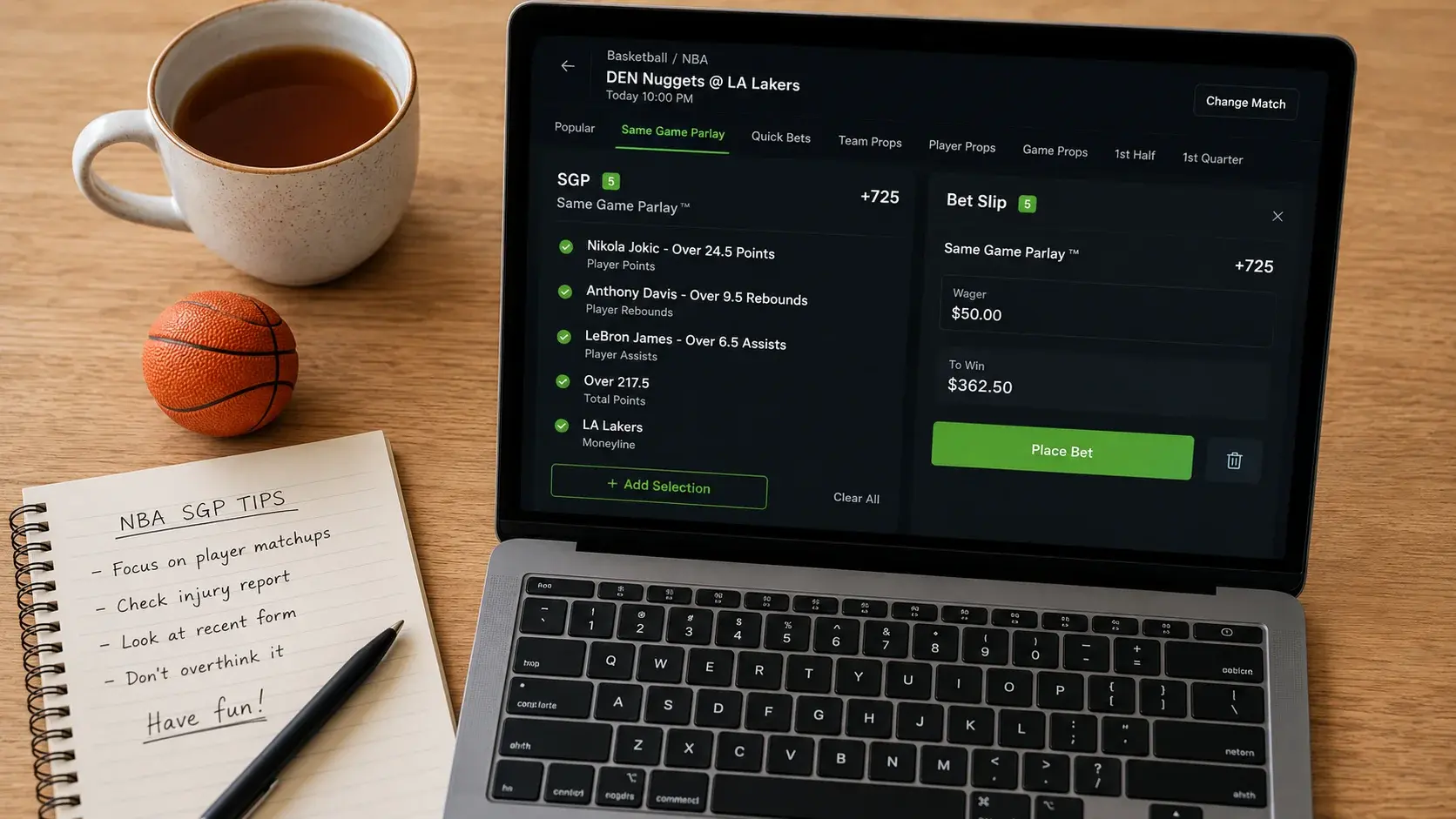
Four seasons ago I shifted roughly 40% of my NBA betting volume from game-level markets to player props. The reason was simple: bookmakers dedicate their sharpest resources to pricing moneylines and spreads, but player props — with hundreds of individual markets per game night — receive less attention. The average NBA salary for the 2025-26 season sits at $10.54 million, and every one of those highly paid athletes generates a prop line on points, rebounds, assists, threes, steals, and blocks. That is an enormous surface area for mispricing.
The global sports betting market reached $100.9 billion in 2024, and player props represent one of the fastest-growing segments within that figure. UK bookmakers have responded by expanding their NBA prop offerings dramatically — some now list sixty or more individual player markets per game. More markets mean more opportunities, but they also mean more noise. The edge lives in knowing which props to target and which to ignore.
Points, Rebounds, Assists: Where the Volume Lives
Most NBA player prop bettors start with points markets because they feel familiar. If Jayson Tatum averages 27 points per game, his line sits around 26.5, and you decide whether he goes over or under. The problem is that points are the most visible stat, which makes them the most efficiently priced prop. Bookmakers pay close attention to scoring lines because they attract the most action.
Rebounds and assists offer more frequent mispricing. A centre’s rebounding line depends on matchup context that game-level models do not always capture. Playing against a team that takes a high volume of three-pointers produces longer rebounds that favour athletic wings over traditional centres. The opposing team’s offensive rebounding rate, their pace, and their shot distribution all affect a player’s rebounding opportunity — and these variables shift game to game in ways that a flat season average does not reflect.
Assists props are the most volatile because they depend on teammates converting passes into baskets. A point guard who averages 8.5 assists per game might have a line of 8.5, but if his two primary scoring targets are shooting poorly that week, the assists will dry up regardless of his own playmaking quality. I pay close attention to team shooting trends over the previous five games when evaluating assists props — a cold-shooting stretch suppresses assists for everyone on the roster.
Threes, Steals, and Blocks: Low-Volume Props with High Variance
Here is where discipline matters most. Props on three-pointers made, steals, and blocks involve small numbers — a line of 2.5 threes or 1.5 steals. The difference between hitting and missing is a single play, which means variance dominates over short samples. I treat these as supplementary bets rather than core strategy.
Three-point props have one reliable angle: volume. A shooter who averages eight three-point attempts per game at a 38% clip should make roughly three per game. But three-point shooting is inherently streaky — the same player might go 1-for-8 one night and 6-for-9 the next. The line usually sits at 2.5, and the over hits more often than not for high-volume shooters, but the juice on these markets is typically heavy. Check the price carefully before assuming the over is automatic.
Steals and blocks are matchup-dependent in ways that season averages completely miss. A guard known for active hands faces a turnover-prone point guard, and his steals line should adjust upward — but it often does not. Similarly, a shot-blocking centre faces a team that attacks the rim heavily, and his blocks line stays flat. These contextual adjustments are where I find the most consistent prop value, because the bookmaker is pricing off the player’s season average rather than the specific matchup.
Building a Prop Betting Process That Scales
The trap with player props is analysis paralysis. With sixty-plus markets per game and twelve or more games per night, you can spend hours researching and still miss the best spots. I use a filtration process that narrows the field before I start deep analysis.
Filter one: minutes stability. I only consider props for players who have played 30-plus minutes in at least eight of their last ten games. This eliminates rotation players whose minutes fluctuate too widely to project reliably. Filter two: matchup relevance. I flag props where the opposing team ranks in the top or bottom five in a relevant defensive category — points allowed to opposing guards, rebounds allowed to opposing centres, assists allowed to opposing point guards. These extreme matchups create the widest gap between season average and game-specific projection.
Filter three: line movement. If a player’s prop line has moved since opening, I check whether the move aligns with my analysis. A line that moved in my direction suggests sharp money agrees. A line that moved against me is a warning sign — the market may know something I do not, such as a minor injury or a rotation change that has not been publicly announced.
This process typically narrows my nightly prop betting to three to five selections from the full slate. Fewer bets, higher conviction, better results. The volume temptation is real, but restraint is the difference between a prop betting hobby and a prop betting edge.