
Evaluating Financial Risks Tied to Late NBA Scratches
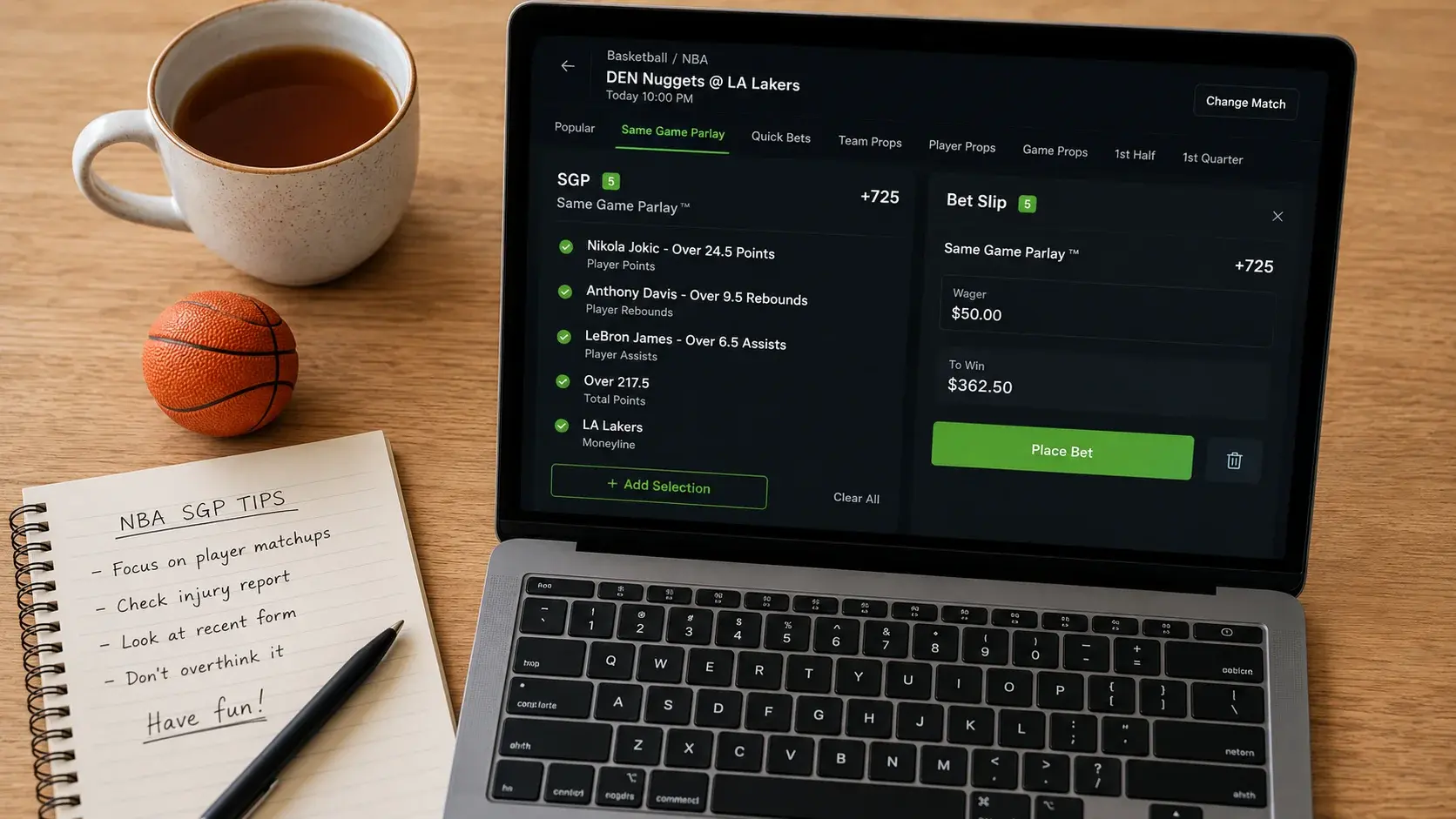
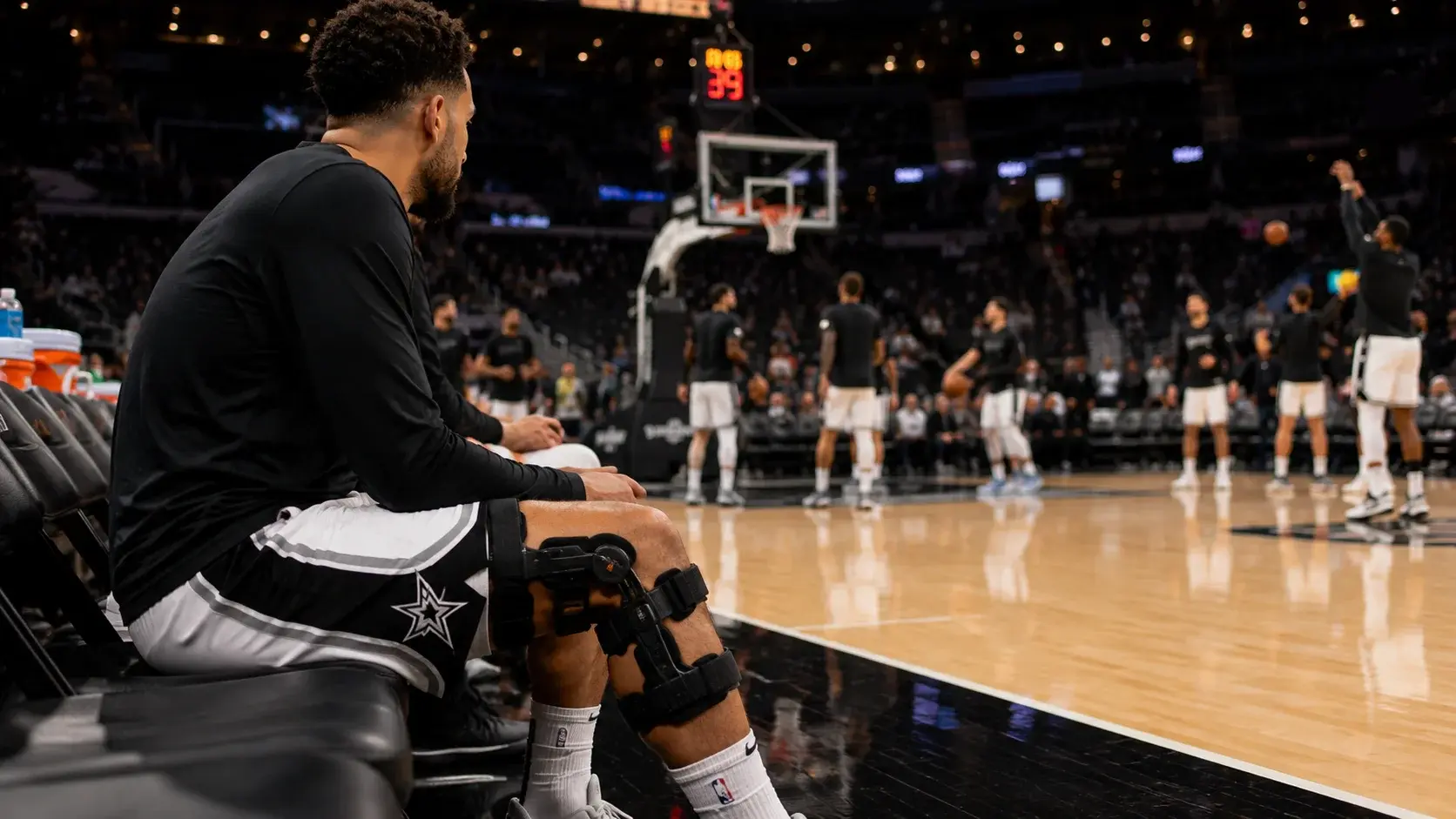
I placed a confident spread bet on the Bucks at -8.5 one Tuesday evening, went to make dinner, and returned to find they were losing by twelve at halftime. A quick check of Twitter revealed what I had missed: Giannis Antetokounmpo was ruled out thirty minutes before tip-off with a knee issue. The line had shifted from -8.5 to -2.5 in those final minutes, but my bet was locked at the original number. That was two hundred pounds and a lesson I have never forgotten — in the NBA, the injury report is not optional reading.
The average NBA salary sits at $10.54 million for the 2025-26 season, with a salary cap of $154.647 million per team. Those numbers matter because they reflect how concentrated talent is. When a max-contract player earning $40-50 million misses a game, the team is losing roughly a quarter of its payroll’s worth of production. No other major sport concentrates impact in so few players the way basketball does, and no other sport’s betting lines are as sensitive to individual absences.
How Star Absences Move the Spread
Not all injuries are equal, and not all players are equal. When I started tracking line movements tied to injury news, clear tiers emerged. A top-five player absence — think the calibre of a reigning MVP or an All-NBA First Teamer — typically moves the spread 4-6 points. A solid starter moves it 1.5-3 points. A rotation player barely registers, unless the team’s depth at that position is unusually thin.
The timing of the announcement matters enormously. If a star is listed as questionable on the morning injury report and then ruled out at 6pm, the line moves gradually across the day as probability shifts. Sharp bettors — those with access to real-time injury intelligence from beat reporters and insider accounts — act first, and the line moves before casual bettors even see the news. By the time the official designation drops, the value has often evaporated.
I have adapted by building a routine. Ninety minutes before each game I intend to bet, I check the official injury report, scan four or five NBA beat reporters on social media, and look for any line movement that suggests inside knowledge is already priced in. If the line has already moved 3 points from its opener and the official status is still “questionable,” the market is telling me the player is likely out — and the smart money has already captured the value. Chasing after a 3-point move is rarely profitable.
The Load Management Variable
Modern NBA rest management has turned what used to be an injury problem into a scheduling problem. Teams routinely sit healthy players on the second night of back-to-backs, particularly during the regular season. The NBA set all-time attendance records surpassing 22.18 million fans through 2025-26, but the league has also faced criticism for healthy stars sitting out marquee games — a tension that directly affects betting markets.
Load management absences are partially predictable. If a star played heavy minutes two nights ago and the team faces a bottom-five opponent tonight on the second leg of a back-to-back, the probability of rest exceeds 50%. Some coaches are more transparent about rest plans than others, and tracking coaching patterns across a season reveals tendencies you can use to anticipate rest days before the official announcement.
The betting angle here is not the absence itself — it is the market’s reaction speed. On nights when rest is widely expected, the line opens with the absence already factored in. On nights when rest is a surprise, the line adjustment is sharper and creates a brief window of opportunity. I have found the most value in the gap between “expected rest” and “surprise rest” — the latter creates genuine mispricings because the market had not prepared for it.
Depth Chart Cascades and Secondary Effects
When a starting point guard goes down, the backup steps in. That is the obvious effect. The secondary effect — the one most bettors miss — is what happens to everyone else. The backup point guard runs different sets, passes to different spots, and changes the rhythm of the entire offence. The small forward who thrived on catch-and-shoot threes from the starting point guard’s drive-and-kick game now receives the ball in different locations and at different tempos.
These cascading effects are where player prop markets become particularly exploitable. A star forward’s absence means more touches for the second and third scoring options. If the market has not fully adjusted the props for those players, you can find over lines that are set too low relative to the expanded role. Conversely, players whose production depends on the injured star’s playmaking often see their efficiency drop — and their prop lines may still reflect the baseline with the star present.
I track three metrics for every team: how their offensive rating changes with and without each starter, how the backup’s per-minute production compares to the starter, and which teammates see the largest usage rate shifts when a specific player sits. These are all publicly available through basketball reference sites, and building a simple spreadsheet takes an afternoon but pays dividends across an entire season of injury-adjusted betting.
The Overreaction Window and Fading the Public
The market’s initial reaction to a star injury often overshoots. When a franchise player is announced as out, recreational bettors pile onto the opponent, and the line moves further than the player’s actual impact warrants. The global sports betting market surpassed $100.9 billion in 2024, and a meaningful portion of that volume comes from reactionary bets placed within minutes of injury news — bets that move lines beyond their fair value.
I have a specific protocol for this. When a top-tier player is ruled out and the line moves more than 5 points from its opening number, I evaluate whether the adjusted line overcompensates. A team losing its best player does not become five-point-worse overnight. The remaining players still constitute a professional basketball team, the coaching staff adjusts, and bench depth gets a genuine test. If my model suggests the fair adjustment is 4 points but the line has moved 6, there is value on the side that lost the star.
This is counterintuitive, and it took me a long time to act on it consistently. Betting on a team that just lost its best player feels wrong. But the maths does not care about feelings. If the market has overcorrected, the profitable bet is to take the points — not because the short-handed team will necessarily win, but because the spread now gives you more cushion than the true probability warrants.
Injury Reporting Timelines and UK Bettor Challenges
UK bettors face a specific disadvantage with NBA injury news: timing. The official NBA injury report drops at 1:30pm Eastern time for evening games, which is 6:30pm in London. Final injury updates often come between 6:00pm and 7:30pm Eastern — that is 11pm to 12:30am in the UK. If you are placing pre-match bets during the UK afternoon and the injury designation changes hours later, your bet may be stranded at a stale price.
The 290 million monthly bets placed across UK platforms include a meaningful number that are affected by late injury news. My workaround is straightforward: I place most of my NBA bets after 10pm UK time, once the afternoon injury reports have been digested by the market. For games tipping off at 1am or later UK time, I wait until 11:30pm at the earliest. This patience costs me nothing and protects me from the stale-line trap that catches bettors who lock in prices during the UK afternoon.
The alternative approach is to use injury uncertainty as an in-play opportunity. If a key player’s status is genuinely uncertain at tip-off, the pre-match line reflects an average of scenarios. Once the player is confirmed in or out and the game begins, the in-play market adjusts in real time, and there is a brief window where the in-play odds have not fully caught up with the new information. It requires fast execution and a clear pre-game plan for both scenarios, but it turns the timing disadvantage into an edge.