
Timing and Intel for Late-Night NBA Draft Betting
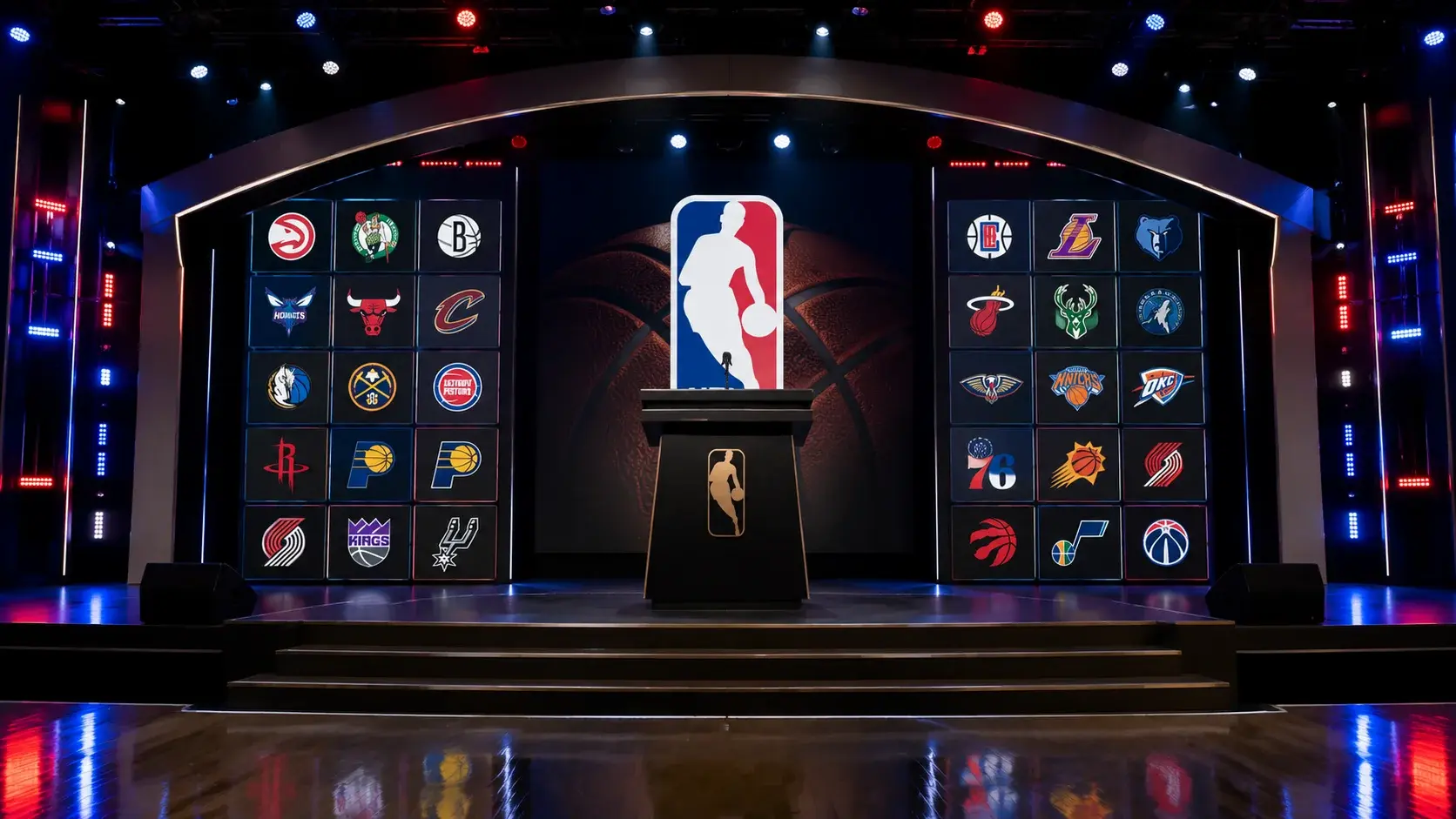
The first time I bet on the NBA Draft, I was sitting in my flat at half-past midnight, refreshing three different mock draft sites while simultaneously watching the ESPN broadcast on a delayed stream. The number one pick had already been spoiled on social media before the commissioner even walked to the podium on my screen. It was chaotic, poorly timed for my time zone, and completely addictive. I have bet on every draft since, and the market inefficiencies are unlike anything I have found in regular-season NBA betting.
The NBA Draft typically takes place in late June, with the first round broadcast live. For UK bettors, that means a 1am start on a weeknight — not ideal, but the markets open weeks before the event, and most of the value is captured in the days leading up to draft night rather than in real-time wagers. The global sports betting market reached $100.9 billion in 2024, and draft-specific markets represent a tiny but rapidly growing slice of that total.
Draft Markets Available at UK Bookmakers
UK-licensed bookmakers offer a surprisingly robust set of NBA draft markets. The most common is “first overall pick” — a simple market on which player will be selected first. Beyond that, most operators offer “top three picks” (which three players go in the first three selections, regardless of order), “draft position” for specific prospects (over/under a pick number), and occasionally “which team selects which player” specials.
The pricing on these markets is less efficient than standard NBA game betting for one critical reason: there is no historical data to model. Each draft class is unique, the variables are subjective (team preferences, workout performances, medical evaluations), and insider information is asymmetrically distributed. Some bettors have access to beat reporters with genuine intel on team preferences. Others are working from publicly available mock drafts. The gap between the two creates pricing opportunities that do not exist in mature markets where data is symmetrically available.
I focus exclusively on the first overall pick and top-three markets. Beyond the top three, the uncertainty multiplies exponentially and the bookmaker’s margin widens to compensate. By pick ten, the market is essentially pricing a lottery, and the overround on individual “player X at pick Y” specials can exceed 20%. That is not a market — it is a tax.
Mock Drafts, Insider Reports, and the Information Hierarchy
The draft betting market is driven by information, and understanding who has it and when they release it is the entire game. Mock drafts published by mainstream outlets in April carry almost no predictive value — they are content pieces designed for engagement, not accuracy. The mock drafts that matter are the ones published in the final week before the draft by reporters who have direct contact with front-office decision-makers.
The NBA’s 29 million active UK online gamblers are largely casual consumers of draft content, which means the public money flows toward the most hyped prospects regardless of actual front-office sentiment. When a player dominates social media discussions and mock drafts for months, the public bets accordingly, and the odds on that player shorten beyond what the true probability warrants. The value often sits with the less-hyped prospect who has quietly risen in front-office evaluations without generating the same public attention.
My process: I ignore mock drafts entirely until two weeks before the draft. At that point, I compile the consensus mock from the five or six reporters with the best track records of predicting lottery picks. I compare their rankings to the bookmaker’s implied probabilities. Any prospect whose reporter consensus is significantly higher than the bookmaker’s pricing represents potential value. In October 2025, 34 individuals were arrested in connection with betting integrity investigations involving NBA players — a reminder that information asymmetry in basketball betting is a real phenomenon, and draft night is its purest expression.
Workout Reports and Late-Breaking Intel
NBA teams conduct private workouts with draft prospects in the weeks before the draft, and the results of these sessions can dramatically shift a team’s board. A prospect who struggles in a workout with the team holding the second pick may drop; a prospect who impresses in a private session may leap several spots. These workout reports leak selectively, and the leaks move markets.
The challenge for UK bettors is timing. Workout intel typically surfaces during US business hours, which means early-to-mid afternoon in the UK. If a significant report breaks at 2pm UK time, the line movement happens over the next few hours. By the time you check the market at 6pm, the value may already be gone. I set news alerts for specific reporters who consistently break draft workout information and check them during my lunch break throughout the final two weeks before the draft.
One pattern I have noticed: when multiple reporters independently confirm the same workout outcome, the market moves efficiently. When a single reporter breaks a workout story and no one confirms it, the market moves partially — enough to reduce the value but not enough to eliminate it. Those single-source reports carry risk, but when the reporter has a strong track record, the risk-reward profile can be favourable for a small bet.
Draft Night Trades and Their Betting Implications
NBA draft night features more trades than any other single day on the calendar. Teams swap picks, package future assets, and occasionally trade established players alongside draft selections. These trades scramble the pick order and invalidate pre-draft betting positions in real time. The average NBA salary of $10.54 million means even mid-first-round picks carry significant financial weight, and teams treat draft-night trades with corresponding seriousness.
For bettors, draft-night trades are both a risk and an opportunity. If you hold a position on “Player X to go in the top three” and the team at pick three trades down to pick seven, your bet’s probability just changed dramatically even though the player’s talent has not. Some UK bookmakers settle draft position bets based on the original pick number used, while others settle based on when the player is actually announced. Check the settlement rules before placing any draft bet.
The opportunity side: when a trade is announced during the broadcast and the bookmaker has not yet suspended the market or updated the odds, there is a brief window where the new information has not been priced in. I have capitalised on this twice in five drafts — once when a trade moved a consensus top-three pick out of the top three range and the over on his pick number was still available at the pre-trade price. These moments are rare, but the potential returns justify staying alert on draft night.
From Draft to Season: Rookie Market Angles
The draft’s betting value extends beyond draft night into the following season. Rookie of the Year markets open immediately after the draft and remain active through the season. The initial pricing is heavily influenced by draft position — the first overall pick is almost always the favourite — but the correlation between draft position and Rookie of the Year is weaker than the market implies.
Over the past decade, the first overall pick has won Rookie of the Year roughly 40% of the time. That is high relative to any individual player, but the market typically prices the top pick at 25-35% implied probability — close to accurate. The value often sits with the second or third pick, or with a mid-lottery selection who lands in a situation perfectly suited to immediate production. A talented guard drafted fifth by a team that needs a starting point guard immediately will get more minutes and opportunities than a talented wing drafted second by a team with established starters at that position.
I evaluate Rookie of the Year markets based on three factors: talent, team fit, and projected minutes. Talent is reflected in the draft position. Team fit requires understanding the acquiring team’s roster and coaching system. Projected minutes come from assessing the depth chart at the rookie’s position. A player who ticks all three boxes at a longer price than the first overall pick has historically been the better bet. It is one of the few futures markets where I allocate a meaningful stake before the season begins.